
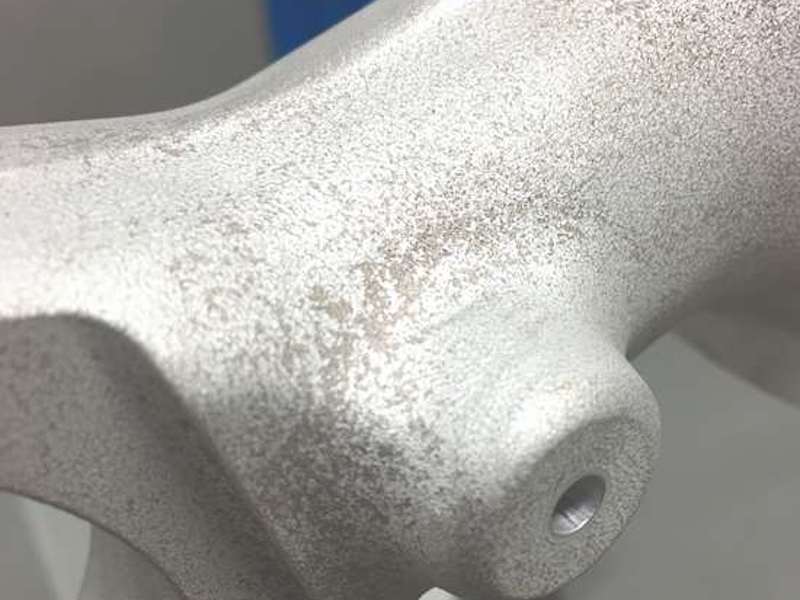
Aluminum’s strength, light weight, and resistance to corrosion make it a popular material for construction, automobile parts, maritime equipment, cookware, and industrial gear. Aluminum can oxidize with time, though, even with its inherent protective qualities. This oxidation appears as a dull gray, chalky white, or uneven surface layer that reduces appearance and, in some cases, performance.
This comprehensive guide explains what aluminum oxidation is, why it occurs, and how to clean oxidized aluminum safely and effectively. It also includes method comparisons, product recommendations, and maintenance strategies.
What Is Aluminum Oxidation?
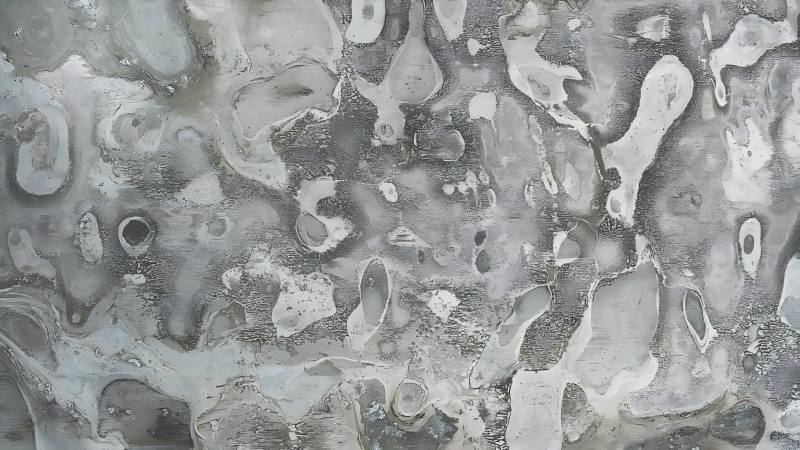
Aluminum oxide (Al2O3) is created when aluminum and airborne oxygen combine. Aluminum oxide actually shields the underlying metal from deeper corrosion, in contrast to rust on steel. However, when exposed to:
- Moisture
- Salt (marine environments)
- Acid rain
- Industrial pollutants
- Cleaning chemicals
- the oxide layer can thicken unevenly and appear chalky or dull.
Common signs of oxidized aluminum include:
- White powdery residue
- Gray haze
- Loss of shine
- Streaks or spotting
- Surface pitting in severe cases
Before cleaning, it’s important to understand the type and severity of oxidation.
Types of Aluminum Surfaces and Cleaning Considerations
Different aluminum finishes require different cleaning approaches.
| Surface Type | Appearance | Cleaning Sensitivity | Recommended Method |
| Bare aluminum | Matte silver | Moderate | Acid-based or polishing |
| Anodized aluminum | Slight sheen, uniform | High (protective coating) | Mild cleaner only |
| Painted aluminum | Colored surface | High | Non-abrasive cleaning |
| Polished aluminum | Mirror-like | Very high | Specialized polish |
Cleaning anodized or coated aluminum incorrectly can damage the protective layer.
Basic Cleaning for Light Oxidation
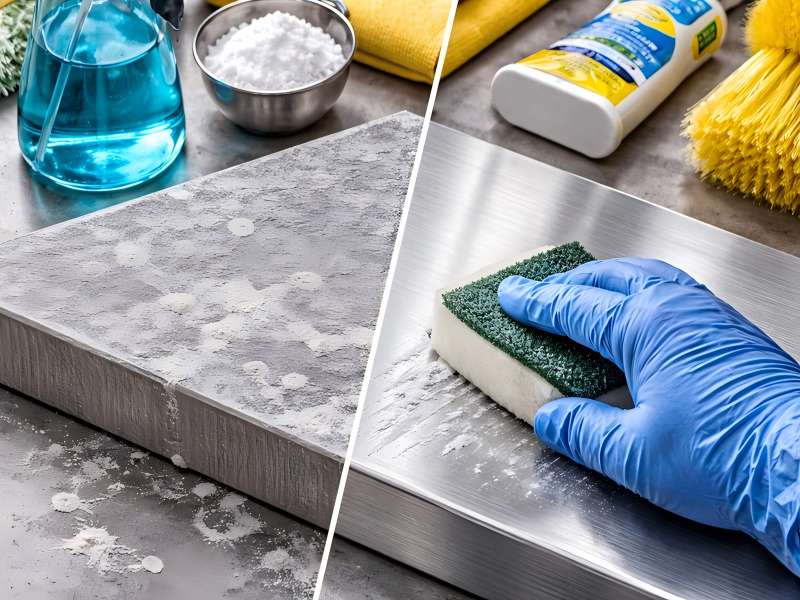
For mild oxidation and surface haze, start with simple household solutions.
Method 1: Vinegar Solution
White vinegar contains acetic acid, which dissolves light oxidation.
Steps:
- Combine equal parts water and white vinegar.
- Use a sponge or soft cloth to apply.
- Let sit for 5–10 minutes.
- Scrub gently.
- Rinse thoroughly and dry.
Best for:
- Patio furniture
- Window frames
- Lightly oxidized panels
Method 2: Baking Soda Paste
Baking soda provides mild abrasion without severe scratching.
Steps:
- Combine baking soda and water to create a paste.
- Apply with a soft cloth.
- Rub in circular motion.
Rinse and dry.
Suitable for:
- Kitchen aluminum items
- Decorative trim
Cleaning Moderate Oxidation
When oxidation is heavier, stronger methods are required.
Method 3: Commercial Aluminum Cleaners
These products often contain mild acids like phosphoric acid.
Procedure:
- Apply per manufacturer instructions.
- Use nylon brush or non-abasive pad.
- Rinse thoroughly.
Advantages:
- Fast results
- Consistent performance
- Suitable for large areas
Disadvantages:
Chemical handling precautions required
Method 4: Cream of Tartar + Lemon Juice
A mild acidic blend useful for cookware and small parts.
Steps:
- Mix cream of tartar with lemon juice.
- Apply to oxidized areas.
- Scrub gently.
- Rinse and dry.
Removing Heavy Oxidation and Corrosion
For severe oxidation or pitting, mechanical polishing may be necessary.
Method 5: Aluminum Polishing Compounds
Polishing compounds remove surface oxide and restore shine.
Steps:
- Clean surface first.
- Apply polishing compound.
- Use microfiber cloth or buffing wheel.
- Polish in circular motion.
- Wipe clean and seal.
Best for:
- Automotive trim
- Motorcycle parts
- Marine components
Method 6: Wet Sanding (Severe Cases)
Use only for thick oxidation or pitted surfaces.
Procedure:
- Start with 600–800 grit sandpaper.
- Use water lubrication.
- Progress to finer grit (1000–2000).
- Polish afterward.
Risk:
- Surface scratching
- Material removal
- Not recommended for thin or anodized aluminum.
Comparison of Cleaning Methods
| Method | Oxidation Level | Cost | Risk Level | Best For |
| Vinegar solution | Light | Low | Very Low | Household items |
| Baking soda paste | Light | Low | Low | Small surfaces |
| Commercial cleaner | Moderate | Medium | Medium | Industrial parts |
| Polishing compound | Moderate–Heavy | Medium | Medium | Automotive |
| Wet sanding | Heavy | Medium | High | Severe corrosion |
Cleaning Anodized Aluminum
Anodized aluminum has a protective oxide layer created intentionally through electrochemical treatment. Cleaning must preserve this layer.
Recommended approach:
- Mild soap and warm water
- Soft cloth
- No abrasive pads
- No strong acids or alkalis
Avoid:
- Steel wool
- Strong degreasers
- Caustic cleaners
If the anodized layer is damaged, it cannot be restored by simple cleaning; re-anodizing may be required.
Cleaning Aluminum in Marine Environments
Saltwater accelerates oxidation.
Recommended marine cleaning steps:
- Rinse with fresh water regularly.
- Use marine-grade aluminum cleaner.
- Neutralize salt residues.
- Apply protective sealant.
Marine environments often require protective coatings after cleaning to prevent rapid re-oxidation.
Industrial Aluminum Cleaning
In industrial settings, oxidation may affect:
- Heat exchangers
- Electrical enclosures
- Machinery housings
- Structural frames
Industrial cleaning methods may include:
- Acid baths (controlled environment)
- Alkaline degreasing
- Mechanical polishing systems
- Automated washing equipment
Always follow safety and environmental compliance standards.
Safety Precautions
When cleaning oxidized aluminum:
- Wear gloves when handling acids
- Use eye protection
- Ensure ventilation
- Avoid mixing chemicals
- Dispose of chemical waste properly
Certain acidic cleaners can react with other substances and produce harmful fumes.
Preventing Aluminum Oxidation
Prevention reduces long-term maintenance.
Protective Options
| Protection Method | Durability | Cost | Suitable For |
| Wax coating | Short-term | Low | Decorative items |
| Clear sealant | Medium | Medium | Outdoor fixtures |
| Anodizing | Long-term | Medium–High | Architectural |
| Powder coating | Long-term | Medium | Structural |
| Regular cleaning | Ongoing | Low | All applications |
Routine maintenance significantly extends aluminum’s appearance and lifespan.
Common Mistakes to Avoid
- Using steel brushes (causes galvanic corrosion)
- Applying bleach (corrosive to aluminum)
- Over-sanding thin materials
- Skipping rinsing after acid cleaning
- Ignoring drying (water spotting)
- Correct cleaning technique prevents additional surface damage.
Step-by-Step General Cleaning Workflow
For most oxidized aluminum surfaces:
- Inspect surface type (bare, anodized, painted).
- Remove loose dirt with a water rinse.
- Apply the appropriate cleaning method based on severity.
- Scrub gently.
- Rinse thoroughly.
- Dry completely.
- Apply protective coating if needed.
This structured approach ensures effective and safe cleaning.
When to Replace Instead of Clean
Replacement may be necessary if:
- Deep pitting compromises structural strength
- Surface thinning occurs
- Anodized layer is severely damaged
- Corrosion penetrates into joints or seams
Cleaning restores appearance but does not repair structural degradation.
Environmental Considerations
Acid-based cleaners must be handled responsibly. Avoid allowing runoff into storm drains or soil. In commercial settings, wastewater treatment procedures should comply with environmental regulations.
Eco-friendly cleaning alternatives like vinegar or mild organic acids are preferable for residential applications.
Oxidized aluminum is common but manageable. While aluminum forms a natural protective oxide layer, environmental exposure can cause unsightly dullness and buildup. Fortunately, cleaning methods range from simple household solutions like vinegar and baking soda to professional-grade polishing compounds and industrial treatments.
The key to successful aluminum cleaning is identifying the surface type, selecting the appropriate method, and avoiding aggressive abrasion unless absolutely necessary. Preventative maintenance—such as sealing, anodizing, or routine cleaning—can significantly reduce oxidation recurrence.
With proper technique and regular care, aluminum surfaces can maintain their strength, durability, and appearance for many years.