Our Blogs
Magnesium die casting is widely used to produce lightweight, strong, and dimensionally stable metal parts. As the lightest common structural […]
Surface finish is an important quality factor in die casting because it improves appearance, reduces secondary processing, supports painting or […]
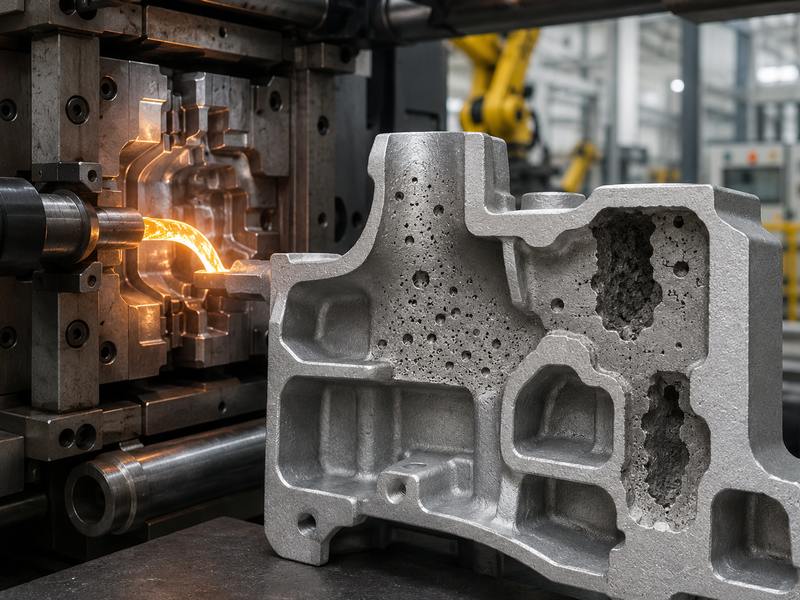
Porosity is a common die casting defect that appears as holes, voids, bubbles, or cavities inside or on the surface […]
Copper die casting produces strong, conductive, and wear-resistant copper alloy parts, but it requires higher temperatures, stronger dies, and stricter […]
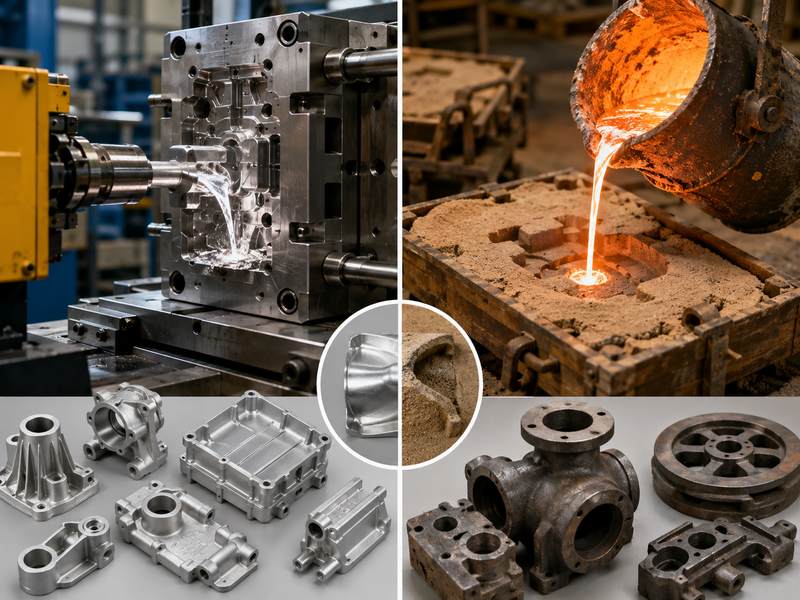
While both die casting and sand casting are significant metal casting techniques, their applications in production are distinct. Die casting uses […]
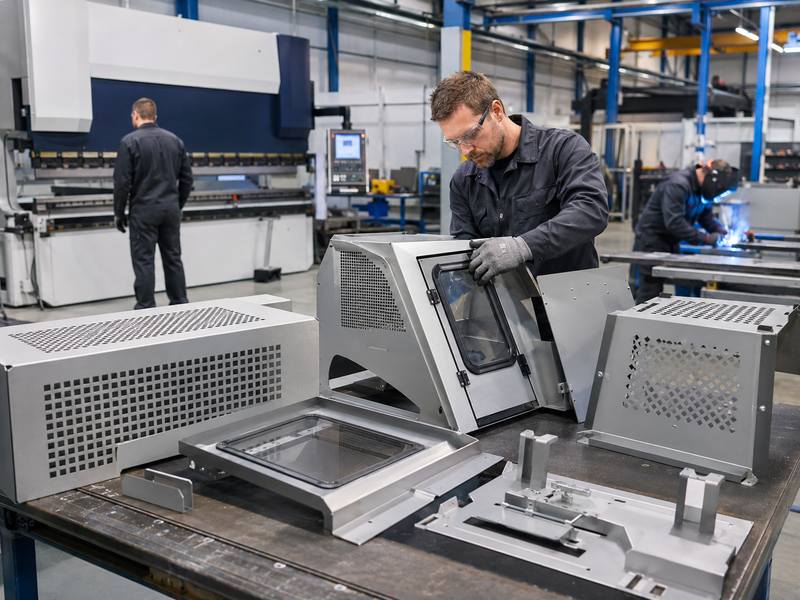
Machine covers and guards protect operators, shield moving parts, reduce dust exposure, improve equipment appearance, and support safer production. They […]
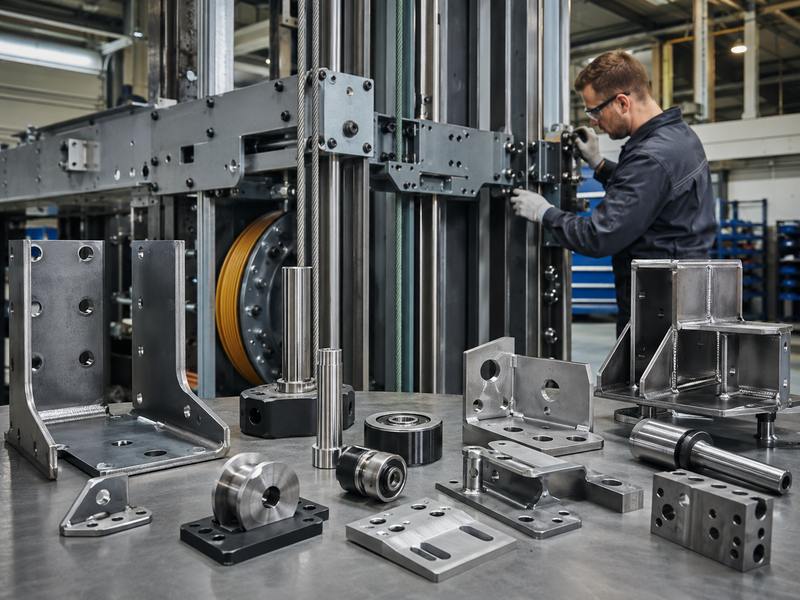
Elevators and lifting equipment rely on precision metal parts for safe, stable, and long-term operation. Components such as guide rail […]
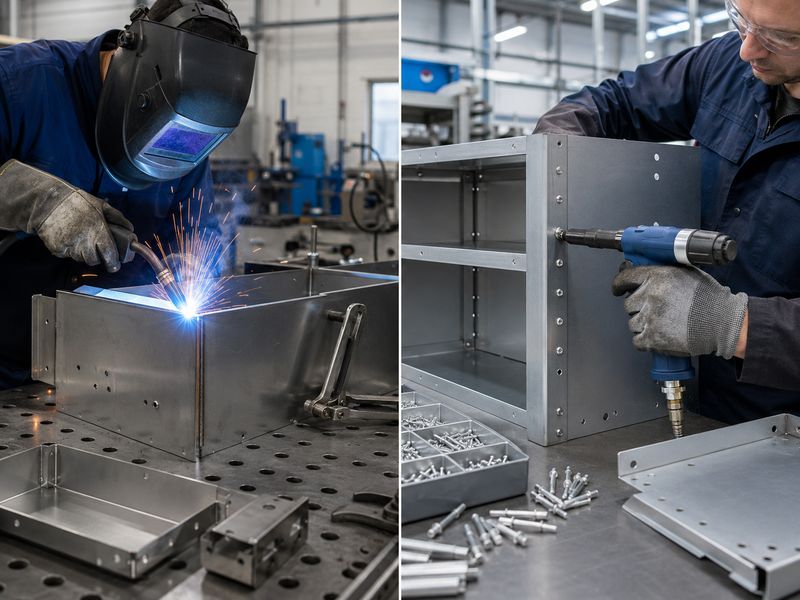
Sheet metal assembly is widely used in automotive parts, enclosures, machinery covers, HVAC systems, cabinets, brackets, aerospace structures, and custom […]
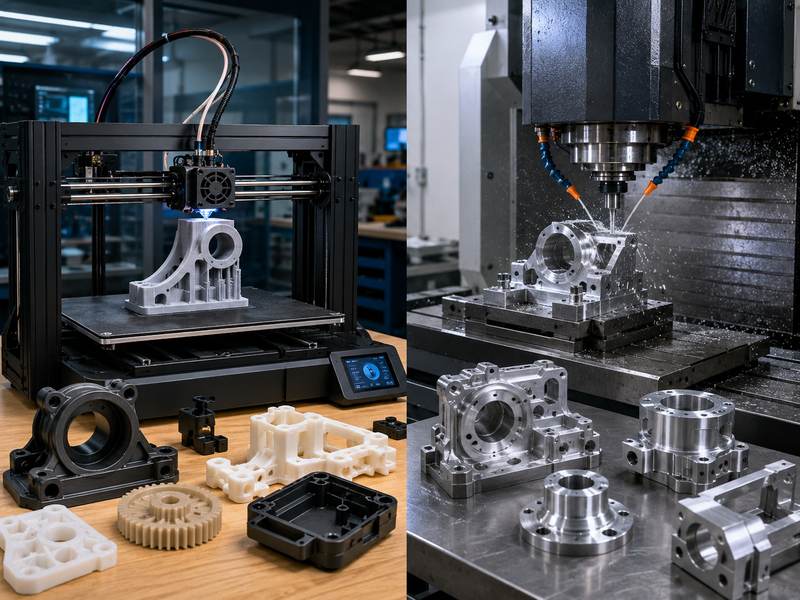
3D printing is fast, low-cost, and flexible, making it suitable for concept models, complex shapes, and early design testing. CNC […]
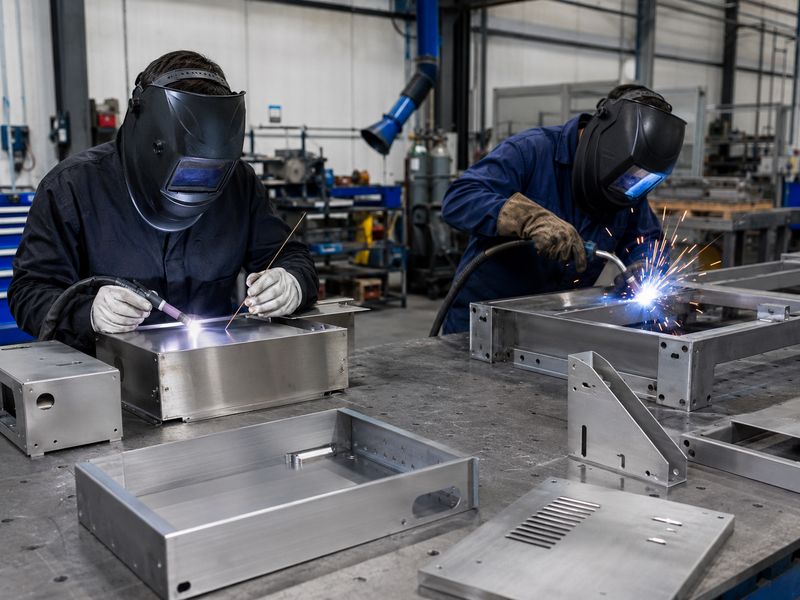
Sheet metal fabrication is used for automotive parts, enclosures, brackets, cabinets, HVAC components, and custom assemblies. Welding quality affects strength, […]
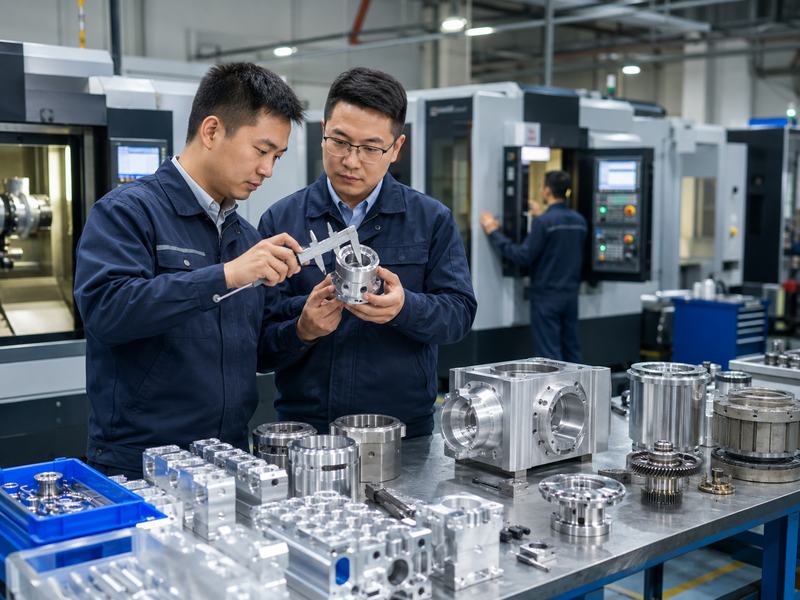
Choosing a reliable CNC machining manufacturer in China requires evaluating more than price. Buyers should check machining capability, quality control, […]
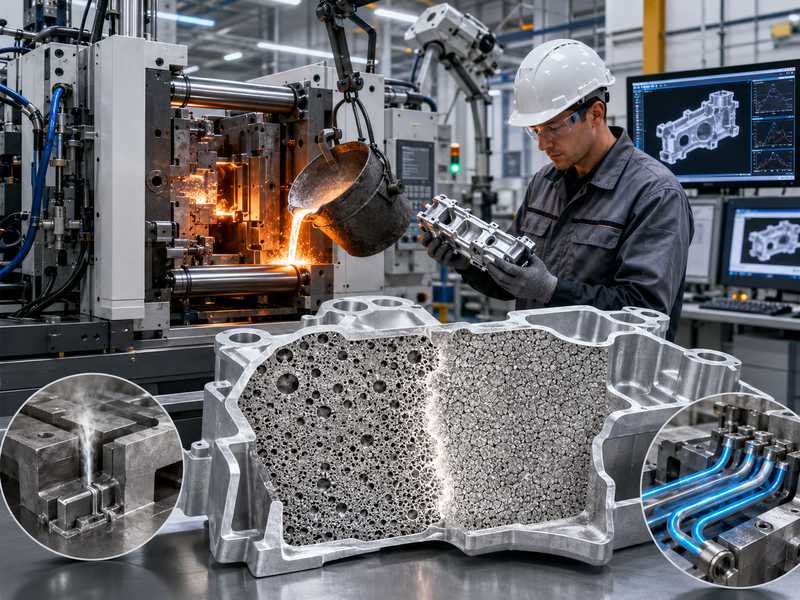
Porosity in aluminum die casting is caused by gas entrapment, hydrogen, shrinkage, poor venting, mold design issues, unstable parameters, and […]